
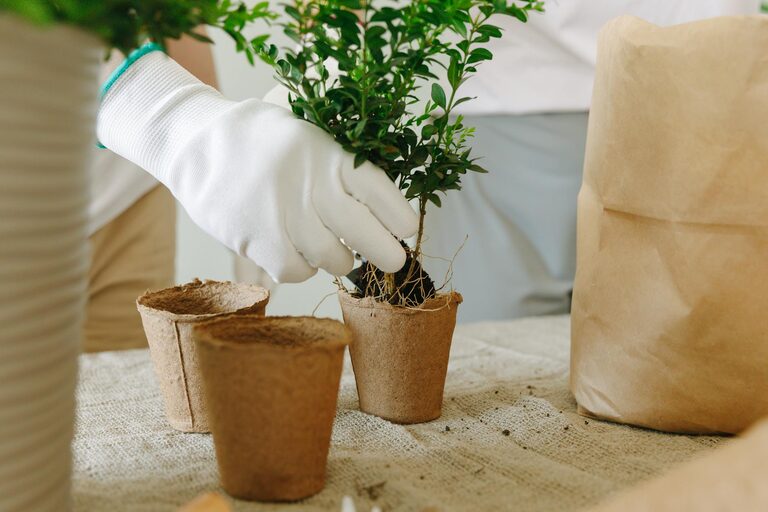
Creating a sustainable and eco-friendly home garden is a rewarding way to connect with nature while reducing your environmental footprint. Whether you’re a seasoned gardener or just starting out, embracing sustainable practices allows your garden to thrive throughout the year while supporting local wildlife and conserving natural resources. Here are practical tips to help you develop a green garden that flourishes in every season.
Why Choose a Sustainable Home Garden?
A sustainable garden prioritises practices that are gentle on the environment, such as conserving water, using organic materials, and encouraging biodiversity. This approach not only helps protect the planet but also promotes healthier soil, stronger plants, and a more resilient garden. Moreover, it can save you money and time in the long run.
Planning Your Garden with Sustainability in Mind
Before digging in, it’s wise to plan your garden carefully to maximise sustainability.
Select Native and Climate-Appropriate Plants
Choose plants that naturally thrive in your local climate and soil. Native plants are adapted to the local conditions, meaning they typically require less water, fertiliser, and care. They also offer vital habitat and food for local wildlife such as bees, butterflies, and birds.
Design for Seasonal Interest
Design your garden to have a variety of plants that bloom or produce at different times of the year. This ensures your garden remains vibrant and productive throughout all seasons. Including evergreen shrubs and winter-flowering plants can add colour and shelter during colder months.
Use Efficient Garden Layouts
Plan your garden beds and paths to make the most of natural sunlight and wind protection. Grouping plants with similar water and sunlight needs together helps reduce waste and keeps plants healthy.
Sustainable Gardening Practices Throughout the Year
Once your garden is set up, following eco-friendly gardening habits will keep it thriving sustainably.
Composting and Soil Care
Healthy soil is the foundation of any garden. Composting kitchen scraps and garden waste reduces landfill and provides rich, natural fertiliser.
– Collect fruit and vegetable peelings, coffee grounds, grass clippings, and leaves to create compost.
– Avoid synthetic fertilisers and pesticides; instead, use natural amendments like compost, manure, or mulch.
– Regularly rotate crops and add nitrogen-fixing plants (like peas and beans) to maintain soil fertility.
Water Conservation
Efficient water use is vital, especially during dry spells.
– Capture rainwater using barrels to water plants during dry periods.
– Water plants early in the morning or late in the evening to reduce evaporation.
– Use drip irrigation or soaker hoses to deliver water directly to the roots.
– Mulch garden beds to retain soil moisture and suppress weeds.
Encouraging Wildlife and Pollinators
A healthy garden supports local ecosystems and can attract beneficial insects and animals.
– Incorporate a variety of flowering plants to provide nectar and pollen.
– Provide habitats like log piles, birdboxes, and insect hotels.
– Avoid pesticides which can harm pollinators and other wildlife.
Seasonal Maintenance Tips
#### Spring
– Prepare soil by adding compost and breaking up compacted areas.
– Plant early vegetables and native wildflowers.
– Check for pests and diseases before they spread.
#### Summer
– Keep watered but avoid overwatering.
– Mulch around plants to keep the soil cool.
– Harvest crops regularly to encourage new growth.
#### Autumn
– Clear away dead plant material to prevent disease.
– Plant bulbs and cover crops to enrich soil during winter.
– Continue composting and prepare mulch for winter protection.
#### Winter
– Protect vulnerable plants with cloches or frost cloths.
– Plan next year’s garden using notes from the past season.
– Clean and maintain tools ready for spring.
Creating a Garden That Gives Back
Sustainability is a two-way relationship. A garden that supports its environment also benefits you.
– Grow your own organic fruit and vegetables to reduce food waste and packaging.
– Share surplus produce or seedlings with neighbours to build community.
– Use recycled or sustainably sourced materials for garden furniture and structures.
– Consider planting trees or shrubs that can store carbon and improve air quality.
Final Thoughts
Building and maintaining a sustainable, eco-friendly home garden requires thought, care, and a little effort throughout the year. By choosing the right plants, conserving water, caring for your soil naturally, and encouraging biodiversity, you create a garden that is not only productive and beautiful but also a positive force for the environment. Whether you have a small balcony or a spacious backyard, every step you take towards sustainability helps create a greener future for all. So, get your gloves on and start planting — your eco-friendly garden awaits!