Creating a home office that is both calming and productive can make a significant difference to your workday experience. Whether you are working remotely full-time or need a dedicated space for occasional tasks, a well-thought-out environment helps reduce stress and improve focus. This guide offers practical tips on arranging your home office to support your wellbeing and efficiency.
Choose the Right Location
Find a Quiet Spot
Select a part of your home that experiences minimal distractions and noise. If possible, choose a room with a door you can close to separate work from home life. Avoid areas with heavy foot traffic or background sounds like the television or kitchen.
Consider Natural Light
A workspace with plenty of natural light can help regulate your body clock, improve mood, and reduce eye strain. Position your desk near a window if you can. If natural light is limited, invest in daylight bulbs or adjustable desk lamps to mimic natural brightness.
Focus on Ergonomics
Invest in a Comfortable Chair
An ergonomic chair that supports your back is essential to prevent discomfort and posture problems. Look for adjustable height, lumbar support, and cushioning that suits your needs.
Set Up Your Desk Correctly
Your desk should be at a height where your elbows are at 90 degrees when typing or writing. Position your computer screen at eye level to avoid neck strain. Remember to keep frequently used items within easy reach to minimise stretching or twisting.
Use a Supportive Keyboard and Mouse
Consider using ergonomic keyboards or mice to reduce wrist fatigue, especially if you spend many hours at the computer. Wrist rests and adjustable equipment can bring additional comfort.
Create a Clutter-Free Environment
Organise with Storage Solutions
Prevent distractions by keeping your workspace tidy. Use shelves, drawers, or filing cabinets to store documents and supplies. Label containers for easy access and efficient sorting.
Clear Your Desk Daily
Spend a few minutes at the end of each workday clearing your desk. This habit helps you start the next day with a fresh, uncluttered mindset.
Bring in Elements That Promote Calm
Choose Soothing Colours
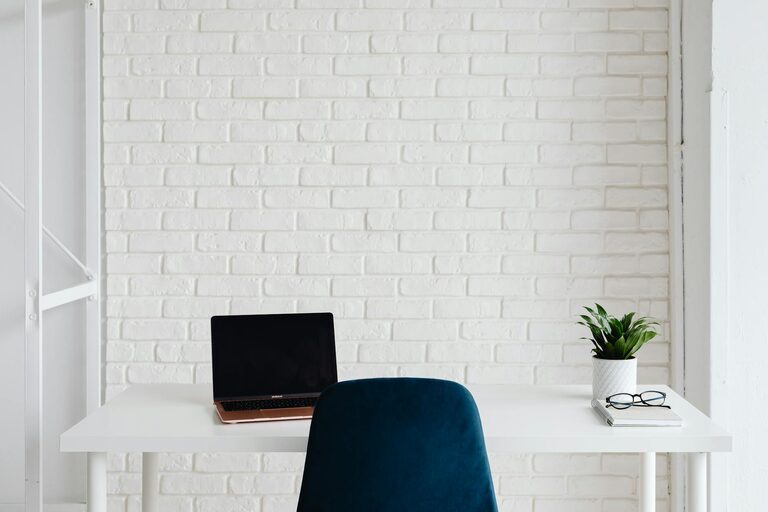
Soft, muted colours such as pale blues, greens, or neutrals are known to create a peaceful atmosphere. Consider painting the walls or adding accessories like cushions, rugs, or artwork in calming shades.
Introduce Indoor Plants
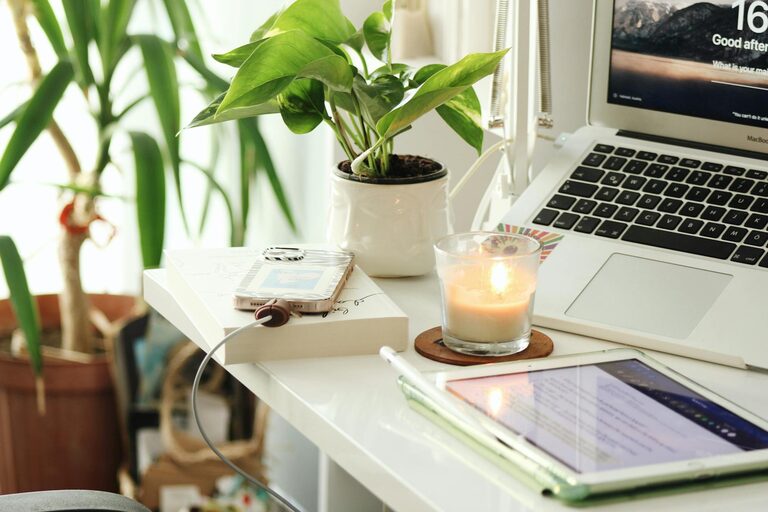
Plants improve air quality and add a touch of nature to the room, which can reduce stress. Low-maintenance options like snake plants, pothos, or succulents are ideal for busy workdays.
Add Personal Touches Mindfully
Decorate your space with meaningful photos or inspirational quotes, but avoid overcrowding. The aim is to create a pleasant environment without visual noise.
Minimise Distractions
Set Boundaries with Household Members
Communicate your working hours clearly to family or housemates. Use signs or closed doors to signal when you should not be disturbed.
Turn Off Non-Essential Notifications
Silence or disable notifications on your phone and computer that are unrelated to work. Consider using apps that limit distractions during focused sessions.
Optimise Lighting and Temperature
Use Layered Lighting
Combine general room lighting with task lighting to reduce eye strain and create a flexible atmosphere. Adjustable desk lamps can help you control brightness for detailed work.
Keep the Temperature Comfortable
Work in a space that is neither too hot nor too cold. Use fans, heaters, or open windows to maintain a pleasant temperature, as discomfort can affect your concentration.
Establish a Routine and Breaks
Designate Work Hours
Set consistent start and finish times to separate work from personal time. A routine creates structure and helps your mind switch between roles.
Incorporate Regular Breaks
Taking short breaks every hour to stretch or walk around can boost productivity and prevent fatigue. Use a timer or app to remind you to pause.
Create a Shutdown Ritual
At the end of your workday, tidy your desk, switch off devices, and note tasks for the next day. This signals your brain that the working period is over.
Use Technology Wisely
Choose the Right Tools
Select hardware and software that make your work easier and more efficient, but avoid overloading your workspace with unnecessary gadgets.
Manage Cables and Chargers
Keep cords organised using clips or covers to prevent tangling and maintain a neat appearance.
Final Thoughts
Designing a calming and productive home office is about creating a balance between comfort, organisation, and personal preference. By prioritising ergonomics, light, colour, and boundaries, you set yourself up for success. Remember, your workspace should be a place where you feel focused but also at ease — a positive setting that supports your daily work habits and wellbeing.
With these tips, you can transform any corner of your home into an effective and relaxing office space, helping you stay motivated and productive every day.