
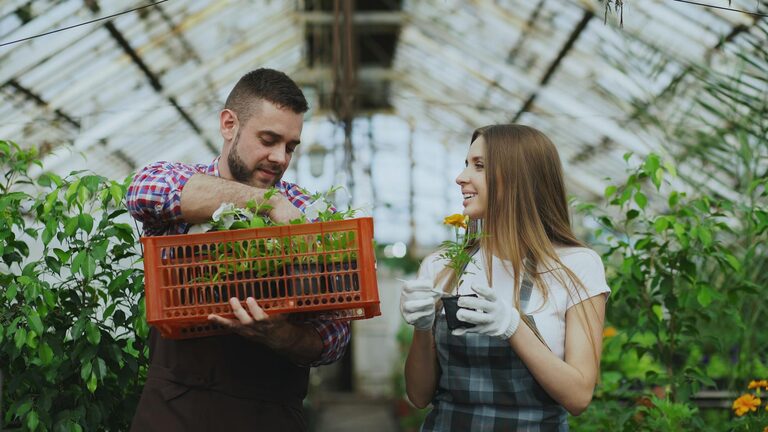
Creating a sustainable home garden is a rewarding way to connect with nature while reducing your environmental footprint. Whether you’re a seasoned gardener or just starting out, maintaining a garden that thrives throughout the year takes some planning and care. This guide offers helpful tips to nurture your garden sustainably in every season, ensuring a healthy space for plants, wildlife, and your family.
What Is a Sustainable Home Garden?
A sustainable garden focuses on practices that protect the environment, conserve resources, and promote biodiversity. This means growing plants in ways that reduce waste, minimise chemical inputs, improve soil health, and use water wisely. The goal is to create a resilient garden that requires less effort over time and supports the ecosystem around it.
—
Planning Your Garden for Year-Round Success
1. Choose Native and Adaptable Plants
Selecting plants that are native to your region or well-adapted to your local climate is key. Native plants tend to need less water, fertiliser, and pesticides because they are built to thrive in local conditions. Incorporate a mix of perennials, shrubs, and trees alongside seasonal vegetables or herbs for continuous growth.
2. Design for Seasonal Interest
Think about how your garden will look and function across all seasons. Plant early bloomers for spring, heat-tolerant varieties for summer, and hardy crops for autumn and winter harvests. Layer your garden with groundcover, shrubs, and taller plants to create microclimates that support different species throughout the year.
—
Sustainable Growing Practices
3. Build Healthy Soil Naturally
Good soil is the foundation of sustainable gardening. Avoid synthetic fertilisers and instead enrich your soil with organic matter such as compost, well-rotted manure, and mulch. These feed beneficial microbes and earthworms, improving soil structure and moisture retention.
4. Practice Crop Rotation and Companion Planting
Rotating crops yearly prevents soil depletion and reduces pest problems. Pairing certain plants together (companion planting) can improve growth and deter pests naturally. For example, planting marigolds near tomatoes can help repel harmful insects.
5. Save Seeds and Propagate Plants
Collect seeds from your healthiest plants to grow future generations, reducing the need to buy new seeds each year. Propagating from cuttings or dividing perennials also helps expand your garden sustainably.
—
Water Conservation Techniques
6. Collect Rainwater
Install water butts or rain barrels to collect rainfall from your roof. Using stored rainwater for watering your garden saves mains water and can be better for your plants as it is free from chlorine and other chemicals.
7. Water Wisely
Water plants deeply and less frequently to encourage strong root growth. Early morning or late evening watering reduces evaporation. Use drip irrigation or soaker hoses to target water directly to plant roots.
—
Encouraging Biodiversity
8. Create Habitats for Wildlife
Provide bird feeders, insect hotels, and ponds to attract beneficial wildlife to your garden. Pollinators like bees and butterflies play a vital role in plant health, while frogs and ladybirds help control pest populations naturally.
9. Limit Chemicals
Avoid pesticides, herbicides, and fungicides that can harm beneficial insects and soil life. Instead, rely on organic methods like hand-picking pests, encouraging natural predators, and using homemade sprays with ingredients such as garlic or neem oil.
—
Year-Round Garden Maintenance
10. Mulch Regularly
Applying mulch helps suppress weeds, retain moisture, and improve soil quality. Use organic mulches like straw, leaves, or wood chips, replenishing as necessary throughout the year.
11. Prune and Clean Up Responsibly
Regularly prune dead or diseased plant parts to keep your plants healthy and reduce the risk of pests. Compost green waste rather than burning or sending it to landfill.
—
Conclusion
Creating a sustainable home garden that flourishes throughout the year is both achievable and fulfilling. By choosing the right plants, improving your soil naturally, conserving water, and encouraging wildlife, you create a resilient garden that benefits you and the environment. With ongoing care and mindful maintenance, your garden can provide beauty, food, and habitat for many seasons to come.
Happy gardening!