
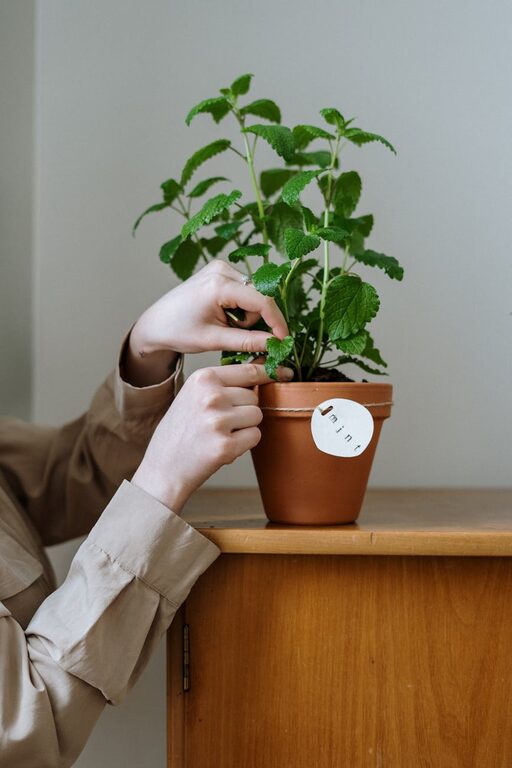
Growing an indoor herb garden is a rewarding and practical way to enjoy fresh herbs no matter the season. Whether you have limited outdoor space or just want the convenience of picking herbs from your windowsill, you can create a flourishing herb garden all year round. In this guide, we’ll share valuable tips for maintaining healthy herbs indoors, covering everything from light and water to choosing the right containers.
Why Grow Herbs Indoors?
Herbs are easy to grow indoors and offer many benefits:
– Fresh Flavour: Add vibrant taste to your meals with freshly picked herbs.
– Cost-Effective: Save money by growing your own rather than buying from the store.
– Convenient: Enjoy herbs all year without worrying about weather or seasons.
– Decorative: Add greenery and scent to your living space.
Choosing the Right Herbs for Indoor Growing
Some herbs thrive better indoors than others. Consider herbs that adapt well to indoor conditions and fresh use:
– Basil
– Parsley
– Chives
– Mint
– Thyme
– Rosemary
– Oregano
– Coriander (Cilantro)
Avoid herbs that require extensive sunlight or space like lavender or larger shrubs.
Location: Finding the Perfect Spot
Natural Light
Herbs generally need between 6–8 hours of sunlight daily. A bright, south-facing window is ideal in the UK for most herbs. If natural light is limited:
– Consider east or west-facing windows.
– Use light-coloured curtains to diffuse harsh light.
– Rotate your plants regularly to ensure even growth.
Artificial Lighting
In darker months or homes with little sunlight, grow lights can supplement or replace natural light:
– Use full-spectrum LED grow lights designed for plants.
– Position lights 15-30cm above the herbs.
– Provide 12-16 hours of light per day during winter.
Choosing Containers and Soil
Containers
Good drainage is essential to prevent root rot. Use pots with drainage holes made from:
– Terracotta (breathable and attractive)
– Ceramic
– Plastic (lightweight and affordable)
Consider the size; most herbs prefer 15-20cm diameter pots to allow root development.
Soil
Use a high-quality, well-draining potting mix designed for herbs or indoor plants. Avoid garden soil as it may be too dense or contain pests.
Adding perlite or sand can improve drainage.
Watering and Humidity Tips
Watering Schedule
Indoor herbs prefer evenly moist soil but dislike sitting in water:
– Check soil moisture by inserting your finger about 2.5cm deep.
– Water when the topsoil feels dry.
– Avoid overwatering; this leads to root rot.
Humidity
Indoor air, especially during winter heating, can be dry. To boost humidity:
– Group plants together.
– Use a humidity tray filled with water and pebbles under your pots.
– Mist herbs lightly, but avoid excessive moisture on leaves.
Feeding Your Herbs
Herbs need regular feeding for healthy growth:
– Use a balanced, water-soluble fertiliser every 4-6 weeks in spring and summer.
– Reduce feeding in autumn and winter when growth slows.
– Follow package instructions carefully to avoid over-fertilising.
Pruning and Harvesting
Regular Pruning
Prune herbs to encourage bushier growth and prevent legginess:
– Pinch off the tips regularly.
– Remove any yellow or dead leaves promptly.
– Avoid taking more than one-third of the plant at once.
Harvesting
Harvest herbs in the morning after dew evaporates but before the heat of the day:
– Use clean scissors or kitchen shears.
– Harvest leaves as needed, allowing the plant to keep producing.
– For basil and mint, regularly harvesting encourages fresh growth.
Managing Common Problems
Pests
Indoor herbs may rarely face pests like aphids, spider mites, or whiteflies:
– Inspect plants weekly.
– Wipe leaves with a damp cloth.
– Use natural insecticidal soap if pests appear.
Diseases
Avoid fungal diseases by:
– Ensuring good air circulation.
– Not overwatering.
– Removing affected leaves immediately.
Seasonal Care: Adjusting for Year-Round Growth
Herbs’ growth patterns change with seasons. To keep your garden thriving:
– In winter, increase artificial light and reduce watering slightly.
– Rotate plants to avoid light deprivation.
– Consider moving herbs outdoors in summer if possible for fresh air and stronger light.
Bonus Tips for Success
– Label plants with markers to keep track.
– Clean pots and tools regularly.
– Experiment with different herb varieties to discover your favourites.
– Keep a simple journal to note watering and feeding schedules.
Conclusion
With the right care and attention, indoor herb gardens can flourish throughout the year, filling your home with greenery and flavour. Remember that light, water, and regular pruning are key to healthy plants. Whether a seasoned gardener or a beginner, growing herbs indoors is a fun, accessible way to enhance your cooking and brighten your living space all year round. Happy gardening!