
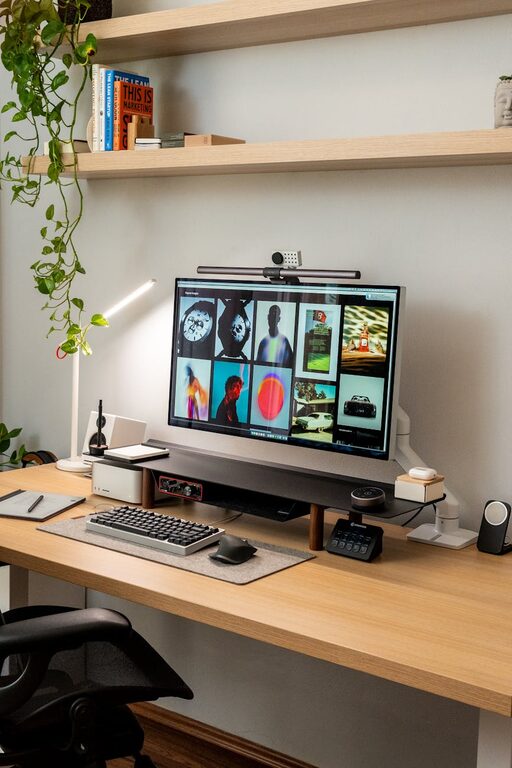
Creating a home workspace that is both relaxing and productive can make a significant difference to your work-from-home experience. When your environment supports focus and comfort, you are more likely to complete tasks efficiently and reduce work-related stress. Whether you have a dedicated room or just a small corner, these tips will help you set up a space that encourages both relaxation and productivity.
1. Choose the Right Location
Find a Quiet Spot
The first step in creating an effective workspace is selecting the right place. Ideally, pick a quiet area away from household distractions. If possible, choose a room with a door so you can close off noise and interruptions.
Consider Natural Light
Natural light can improve mood and energy levels. Set up your workspace near a window to make the most of daylight. If natural light is limited, opt for bright, adjustable artificial lighting to prevent eye strain.
2. Invest in Comfortable Furniture
Ergonomic Chair
Sitting for long hours requires good support to avoid discomfort and posture problems. Invest in an ergonomic chair that supports your lower back and encourages good posture.
Functional Desk
Choose a desk that suits your work style. It should be spacious enough for your computer, paperwork, and any tools you need regularly. Adjustable desks that allow standing and sitting options can also promote comfort and health.
3. Declutter and Organise
Keep Surfaces Clear
A cluttered desk can lead to a cluttered mind. Keep only essential items on your desk to maintain focus. Use drawers or shelves to store away non-essential materials.
Use Organisers and Storage Solutions
Desk organisers, filing cabinets, and storage boxes help keep papers and stationery tidy. Creating a system where everything has its place saves time and reduces stress searching for items.
4. Personalise Your Space
Add Calming Elements
Incorporate items that help you relax, such as plants, artwork, or soft cushions. Plants not only improve air quality but also add a touch of nature, which can be soothing.
Keep Personal Touches Minimal
While personalising the space is important, avoid overloading it with too many items. A few meaningful decorations can boost your mood without becoming distractions.
5. Manage Noise Levels
Use Noise-Cancelling Headphones
If your home is noisy, noise-cancelling headphones can help you focus by blocking out background sounds.
Play Background Music or Ambient Sounds
Gentle instrumental music or nature sounds can improve concentration and create a calming atmosphere.
6. Set Boundaries and Routine
Define Work Hours
Creating a clear schedule helps separate work from personal life. Set specific start and finish times to maintain a healthy work-life balance.
Avoid Workspace Encroachment
Try to keep work materials within your workspace only. This separation helps your brain associate the area with work and rest elsewhere.
7. Prioritise Good Lighting and Screen Setup
Avoid Glare on Screens
Position your screen to reduce glare from windows or lights, which can cause eye strain. Use blinds or curtains to control natural light levels.
Use Screen Filters or Blue Light Glasses
To reduce eye fatigue, consider screen filters or glasses that block blue light, especially if you work late into the evening.
8. Keep Essential Tools Handy
Equip Your Desk with Necessary Technology
Ensure you have reliable internet, chargers, and any devices needed for your tasks. Keep cables organised to avoid tangles.
Use a Planner or Digital Tools
Use a planner or digital apps to manage your workload efficiently. Keeping track of deadlines and to-dos helps maintain focus and reduces stress.
9. Incorporate Movement Breaks
Schedule Short Breaks
Taking regular breaks helps maintain energy levels and prevents fatigue. Even standing up to stretch for a couple of minutes can improve circulation.
Consider a Stretching or Exercise Corner
If space permits, designate a small area for stretches or light exercises to keep your body active during the day.
10. Maintain Cleanliness and Fresh Air
Regular Cleaning
A clean workspace feels more inviting and can help reduce allergens. Wipe surfaces regularly and vacuum or dust your work area weekly.
Ventilate Your Space
Open windows when possible to allow fresh air inside. Good ventilation improves concentration and comfort.
—
By thoughtfully designing your home workspace with comfort and organisation in mind, you can create an environment that supports both relaxation and productivity. Remember to adjust your space as needed to suit your changing work habits and preferences. A well-arranged workspace not only enhances your efficiency but also contributes positively to your overall well-being.