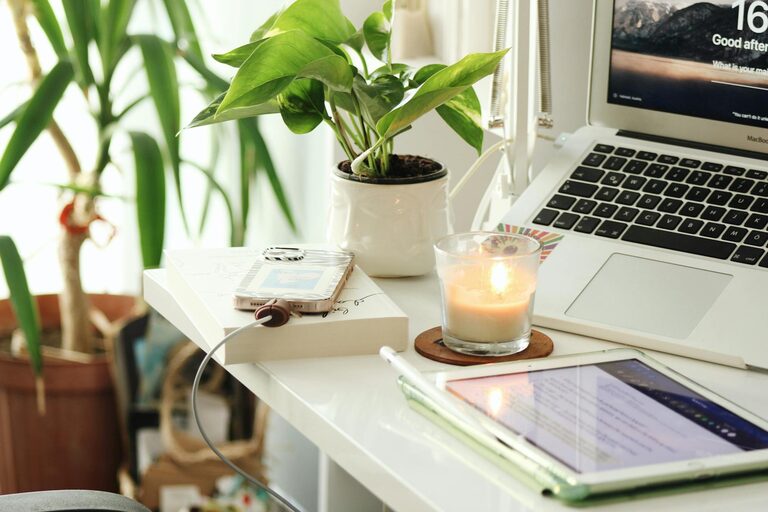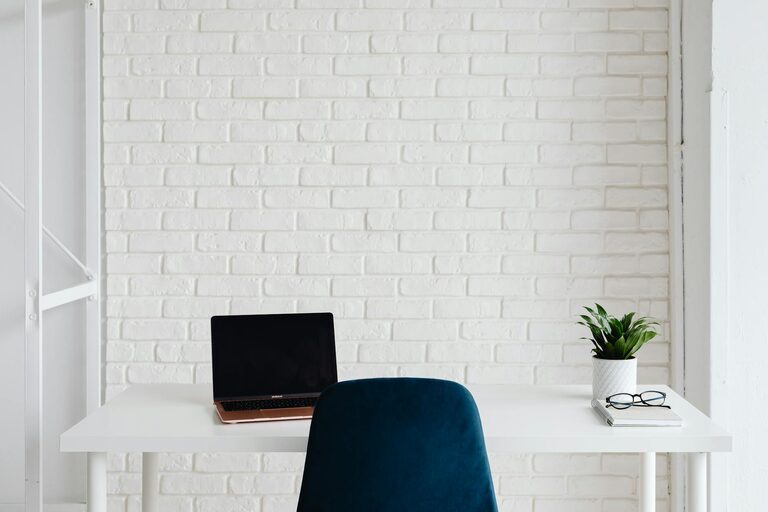

Creating a productive home office space is essential for anyone working remotely or running their own business from home. A well-organised and thoughtfully arranged workspace can improve focus, reduce distractions, and make your workday more enjoyable. Whether you have a dedicated room or a small corner, these tips will help you set up an efficient home office tailored to your needs.
Choose the Right Location
The first step to a productive home office is selecting the ideal location within your home. Consider these factors:
– Quiet and Low Traffic: Pick a spot away from household noise and frequent movement.
– Natural Light: Sit near a window if possible to benefit from daylight, which can boost mood and alertness.
– Space and Comfort: Ensure the area has enough room for your desk, chair, and equipment without feeling cramped.
If you don’t have a separate room, even a nook in a living room or bedroom can be adapted with a small desk and room divider.
Invest in Ergonomic Furniture
Comfort plays a crucial role in productivity. Spending hours at a desk without proper support can lead to discomfort or injury.
– Ergonomic Chair: Choose a chair with adjustable height, good lumbar support, and comfortable padding.
– Desk at the Right Height: Your desk should allow your arms to rest at 90 degrees for typing.
– Monitor Position: Position your computer screen at eye level to avoid neck strain.
– Footrest: Consider a footrest if your feet do not comfortably reach the ground.
Taking care of your posture helps maintain focus and prevents fatigue.
Organise Your Workspace Efficiently
A cluttered workspace can distract and slow you down. Aim for an organised setup:
– Use Storage Solutions: Incorporate shelves, drawers, or filing cabinets to keep papers and office supplies neat.
– Minimal Desk Items: Keep only essential items on your desk to reduce clutter.
– Cable Management: Use clips or cable organisers to keep wires tidy.
– Daily Declutter Routine: Spend a few minutes each day tidying your desk.
A clean, organised desk creates a clear mind.
Personalise Your Space
Adding personal touches can make your home office a pleasant place to spend time.
– Plants: Indoor plants improve air quality and add freshness.
– Artwork or Photos: Familiar images can boost mood and creativity.
– Colour Choices: Use colours that inspire focus and calm, like light blues or greens.
– Lighting: Add a desk lamp with adjustable brightness for late work sessions.
Personalisation helps you feel comfortable and motivated.
Minimise Distractions
Home environments can present many distractions. Creating boundaries helps:
– Set Boundaries with Family or Housemates: Communicate your work hours and need for quiet.
– Use Noise-Cancelling Headphones: Helpful for reducing background noise.
– Limit Phone Notifications: Turn off non-essential alerts during work times.
– Dedicated Work Hours: Establish a routine to signal work time to yourself and others.
Being mindful of distractions encourages better concentration.
Utilise Technology Wisely
Technology is essential but can also be overwhelming. Here are tips to use it effectively:
– Fast, Reliable Internet: Essential for video calls and cloud services.
– Quality Equipment: Invest in a good keyboard, mouse, and headset.
– Backup Your Data: Use cloud storage or external drives to keep files safe.
– Productivity Apps: Use tools like task managers or calendars to stay organised.
Technology should support, not complicate, your work.
Prioritise Good Lighting
Lighting directly affects energy levels and eye comfort.
– Maximise Natural Light: Position your desk near a window if possible.
– Combine Ambient and Task Lighting: Use overhead lights along with a desk lamp.
– Avoid Glare: Position screens to avoid reflection from windows or lights.
– Choose Warm or Cool Light: Adjust according to the time of day and personal preference.
Proper lighting reduces eye strain and keeps you alert.
Maintain Work-Life Balance
Finally, create rituals that separate home and work life to avoid burnout.
– Set Clear Start and Finish Times: Switch off work devices after hours.
– Take Regular Breaks: Stand, stretch, or take short walks during the day.
– Dedicated Work Clothes: Changing into work attire can help mentally prepare for the day.
– End-of-Day Routine: Clear your desk or plan tomorrow’s tasks before finishing.
Balancing work and home life improves long-term productivity and wellbeing.
—
Creating a productive home office is about combining functionality with comfort and personal style. By carefully choosing your location, organising your space, and setting clear boundaries, you can enjoy a work environment that helps you stay focused and motivated each day. Take small steps to improve your workspace, and you’ll likely see a positive difference in your work habits and overall satisfaction.