
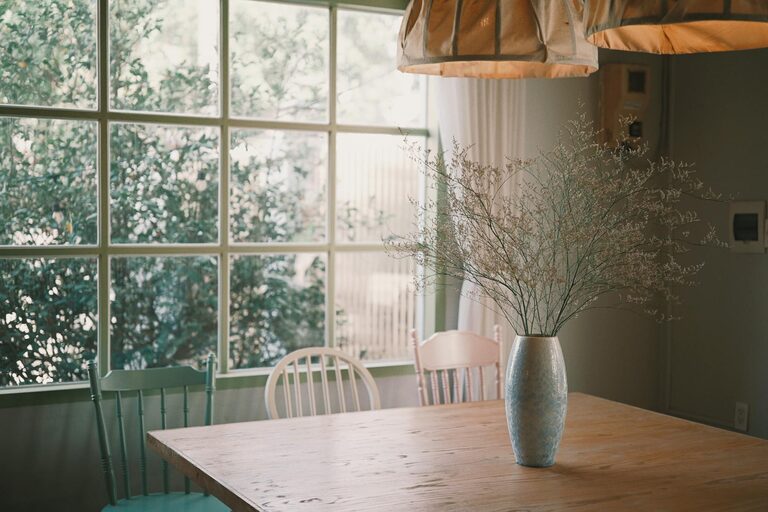
Creating a relaxing home environment is a wonderful way to enhance your overall wellbeing. Your home should be a sanctuary—a place where you can recharge and feel at peace. Fortunately, making your living space more calming doesn’t require expensive renovations or complicated changes. With a few simple tweaks, you can transform your home into a haven for relaxation and comfort.
Why a Relaxing Home Matters
Your surroundings impact your mood and stress levels more than you might realise. A cluttered or noisy space can cause anxiety, while a calm and orderly home encourages mindfulness and rest. By designing your space for relaxation, you give yourself a daily opportunity to unwind, reduce stress, and improve mental health.
Declutter and Organise Your Space
One of the easiest ways to create a more relaxing environment is to declutter. Clutter can feel overwhelming and chaotic, even if you’re not consciously aware of it. To start:
– Sort through belongings and keep only what you truly need or love.
– Use storage boxes or baskets to keep items out of sight.
– Maintain flat surfaces like tables and countertops clear.
– Organise items by frequency of use, storing everyday items within easy reach.
A tidy home feels calmer and more inviting, setting the tone for relaxation.
Use Soft, Natural Colours
Colours can greatly influence how a room feels. Softer, natural hues tend to be more restful for the mind. Consider:
– Light blues, greens, or pastel shades on walls.
– Neutral tones such as beige, cream and soft greys for furniture or accessories.
– Avoid bright or neon colours that may cause overstimulation.
Stick to a harmonious colour palette to create a cohesive and soothing atmosphere.
Bring Nature Indoors
Adding plants and natural elements to your home can improve air quality and promote calmness.
– Houseplants like snake plants, spider plants, and peace lilies require little maintenance and purify the air.
– Use natural materials such as wood, stone, or cotton in furniture and soft furnishings.
– Introduce natural scents with candles, essential oils, or fresh flowers.
These touches foster a connection to nature, which many find soothing.
Create Comfortable Spaces
Comfort is key when designing a relaxing home. Focus on creating areas where you can fully unwind.
– Use soft cushions, throws, and rugs to add warmth and texture.
– Invest in good-quality mattresses and seating for optimal support.
– Position seating near windows or in quiet corners for peaceful reading or contemplation.
Dedicated comfortable zones encourage rest and mindfulness.
Manage Lighting Thoughtfully
Lighting shapes the mood of your rooms. Bright fluorescents can feel harsh, while soft lighting promotes calm.
– Use lamps and dimmers to adjust light levels throughout the day.
– Consider warm white bulbs for a cosy glow.
– Maximise natural light during daytime by keeping windows clear and using light curtains.
Well planned lighting can reduce eye strain and make your home feel more welcoming.
Reduce Noise and Distractions
Noise pollution negatively affects concentration and stress. To create a quieter home:
– Use rugs, curtains, and cushions to absorb sound.
– Consider white noise machines or soft music to mask disruptive noises.
– Choose window treatments that block out outside sounds if you live in a noisy area.
A peaceful sound environment helps you relax more deeply at home.
Incorporate Mindfulness and Personal Touches
Your home should reflect your personality and support your relaxation practices.
– Create a small area for meditation, yoga, or reading.
– Display photos, artwork or objects that bring positive feelings.
– Use scented diffusers or candles with fragrances that calm you, like lavender or chamomile.
Personalised spaces enhance emotional wellbeing and encourage mindful living.
Keep Technology in Check
Technology can be a source of stress, especially when screens and notifications are everywhere.
– Designate tech-free zones or times each day.
– Use apps to limit screen time or silence alerts.
– Store devices out of sight when not in use to maintain a restful environment.
Minimising digital distractions helps your mind switch off and rest.
Maintain a Routine of Cleaning and Fresh Air
Regular cleaning and ventilation keep your home feeling fresh and inviting.
– Open windows daily to circulate air and reduce stuffiness.
– Clean surfaces and floors regularly to remove dust and allergens.
– Declutter frequently to maintain order and cleanliness.
A welcoming, fresh-smelling home positively impacts mood and health.
Final Thoughts
Creating a relaxing home environment is a journey, not a one-time task. Start with small changes you enjoy and adapt over time. By nurturing your living space, you’ll find it easier to unwind, boost your wellbeing, and live more mindfully. Your home can truly become your sanctuary—a place that nurtures both body and mind.